Différenciation et sélection des systèmes Android
Différenciation et sélection des systèmes Android
Android is currently the most widely used smart operating system, widely used not only in smartphones and tablets, but also in TV boxes, Bâtons de télévision, projectors, lecteurs d'affichage numérique, advertising machines, in-vehicle devices, smart home devices, and industrial control equipment.
Different types of Android systems differ in functionality, certification, usage scenarios, and customization capabilities. Choosing the right system is crucial for product experience and project implementation.
Common Android systems can be mainly divided into the following categories: AOSP Android, Android Télévision, Google TV, and customized Android systems.
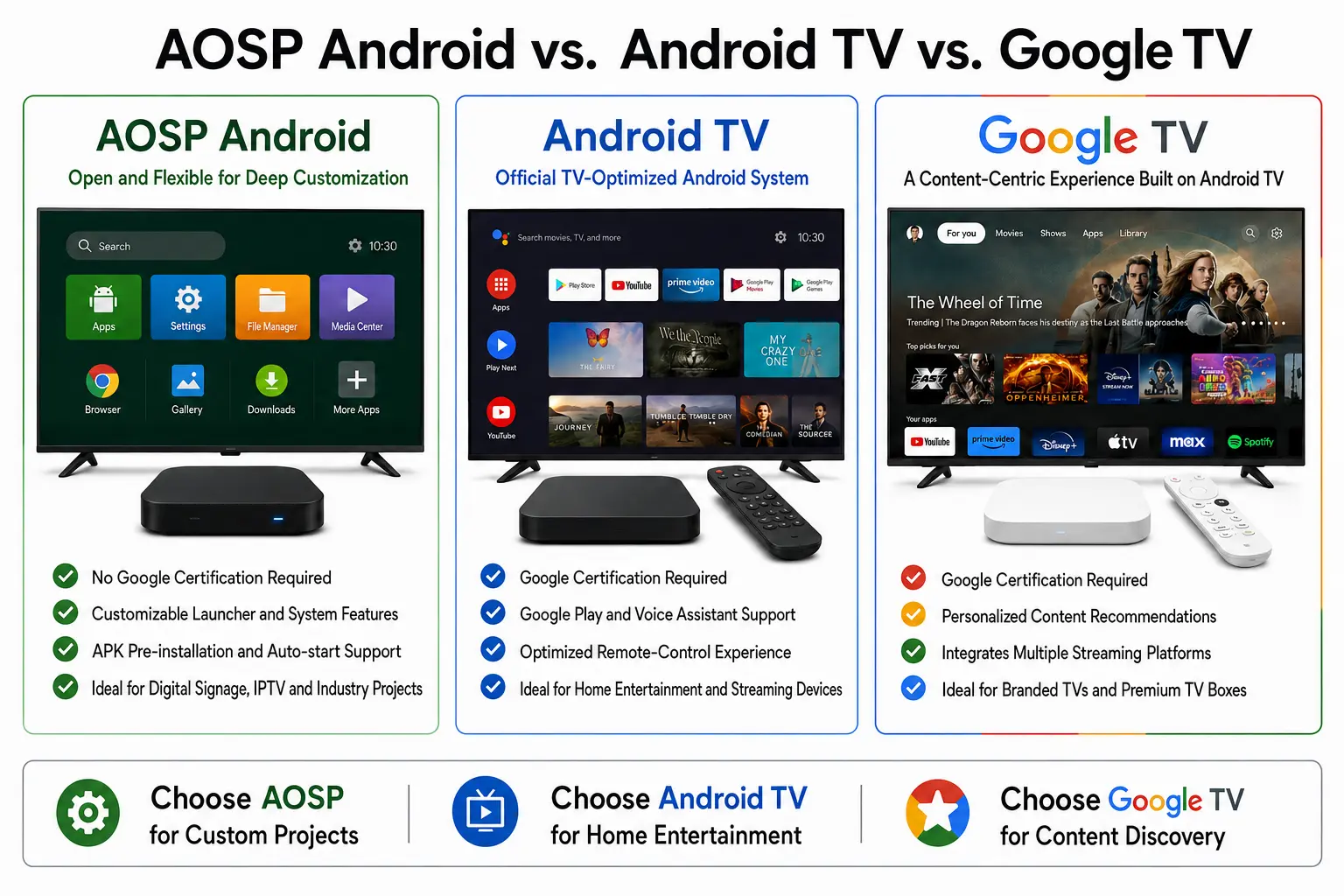
AOSP Android system
AOSP stands for the Android Open Source Project. Many standard Android set-top boxes, commercial display players, advertising players, and industry-specific customized devices utilize the AOSP system.
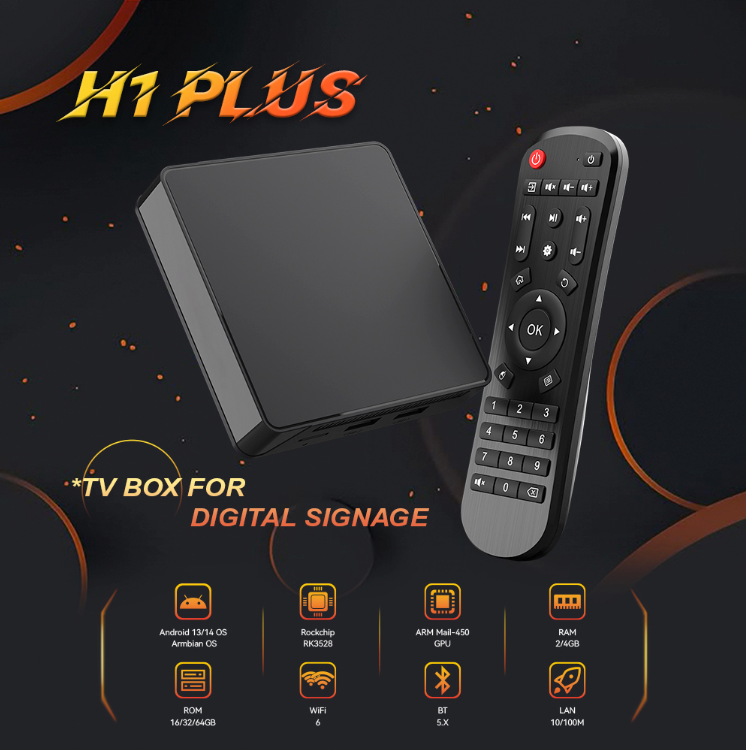
The key advantages of AOSP are its openness and extensive customization capabilities. Manufacturers can tailor features to meet specific client requirements—such as boot logos, launcher interfaces, pre-installed apps, auto-start on boot, permission restrictions, hidden system settings, Kiosk mode, root access toggles, puissance en marche / arrêt prévue, and screen rotation.
Par conséquent, AOSP Android is particularly well-suited for B2B applications, y compris lecteurs d'affichage numérique, systèmes de télévision pour hôtels, educational displays, mall advertising players, restaurant menu boards, corporate information displays, and exhibition hall display screens.
Android TV system
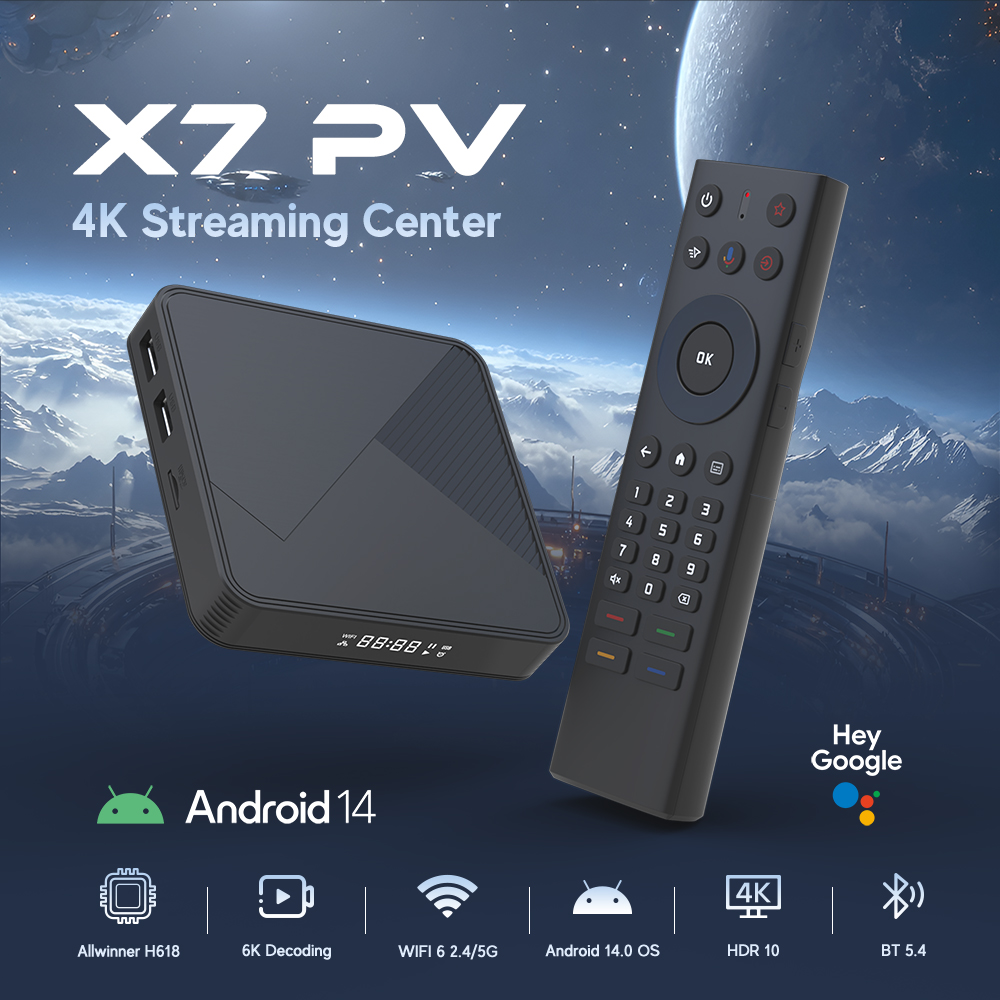
Android TV is an operating system developed by Google for large-screen television devices, primarily designed for home entertainment and streaming media playback. Its user interface is optimized for remote control navigation and typically supports TV-oriented applications such as the Google Play Store, Youtube, and Netflix.
The system offers a standardized user experience well-suited for household consumers. Cependant, obtaining Google certification, Netflix certification, or DRM support entails higher costs and stricter requirements.
Par conséquent, Android TV is particularly suitable for applications such as operator-provided IPTV services, OTT TV boxes, home entertainment boxes, and subscription-based streaming platforms.
Google TV system
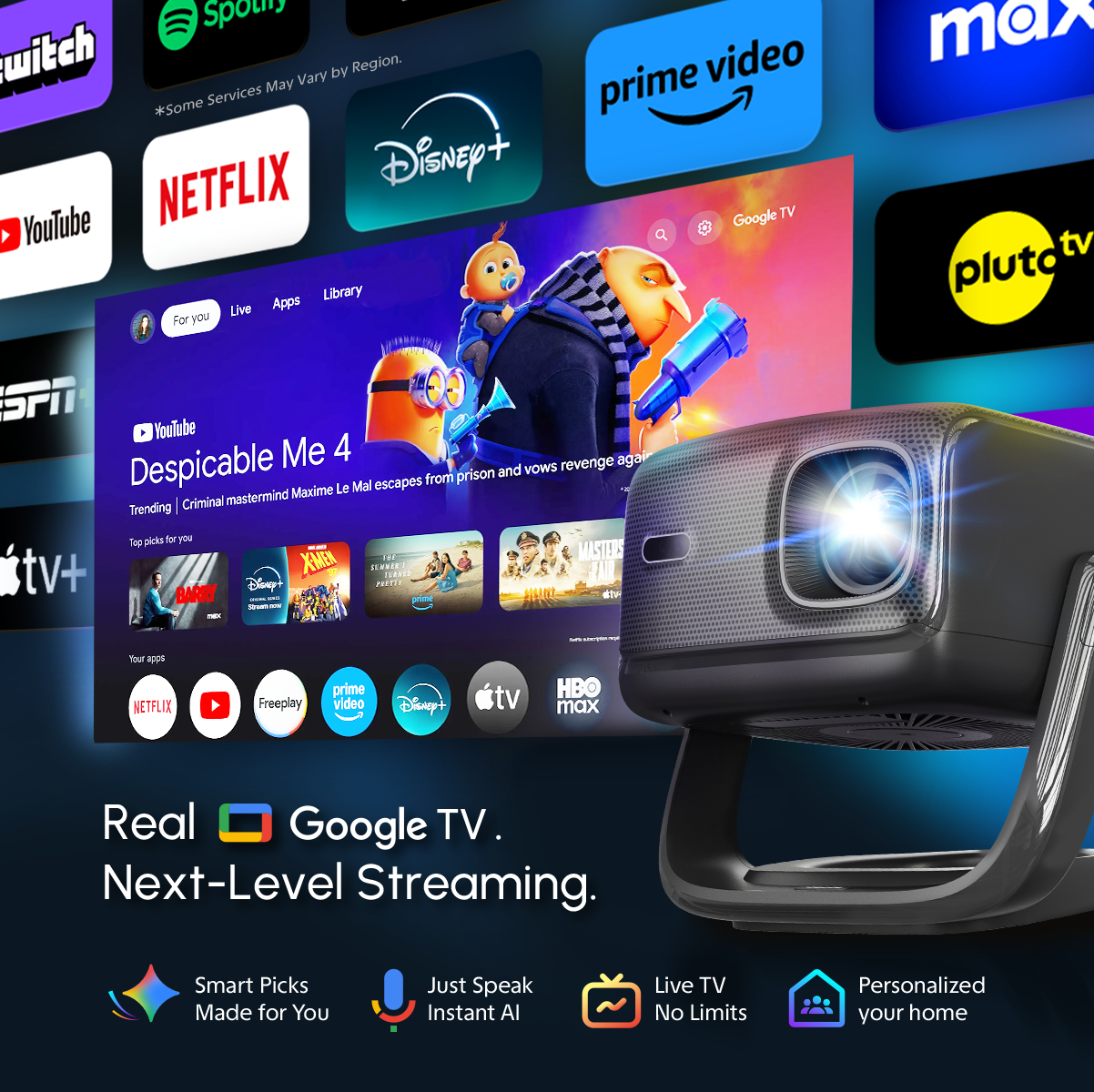
Google TV can be viewed as an enhanced version of Android TV, placing greater emphasis on content recommendations and the integration of streaming services. Its interface aggregates content from various platforms for the user, making it well-suited for high-end TV boxes, televisions, et streaming devices aimed at the consumer market.
Cependant, Google TV entails stricter certification and licensing requirements, making it generally unsuitable for small-batch projects requiring rapid customization. Clients focusing on branded home entertainment products with significant order volumes may wish to consider the Google TV solution.
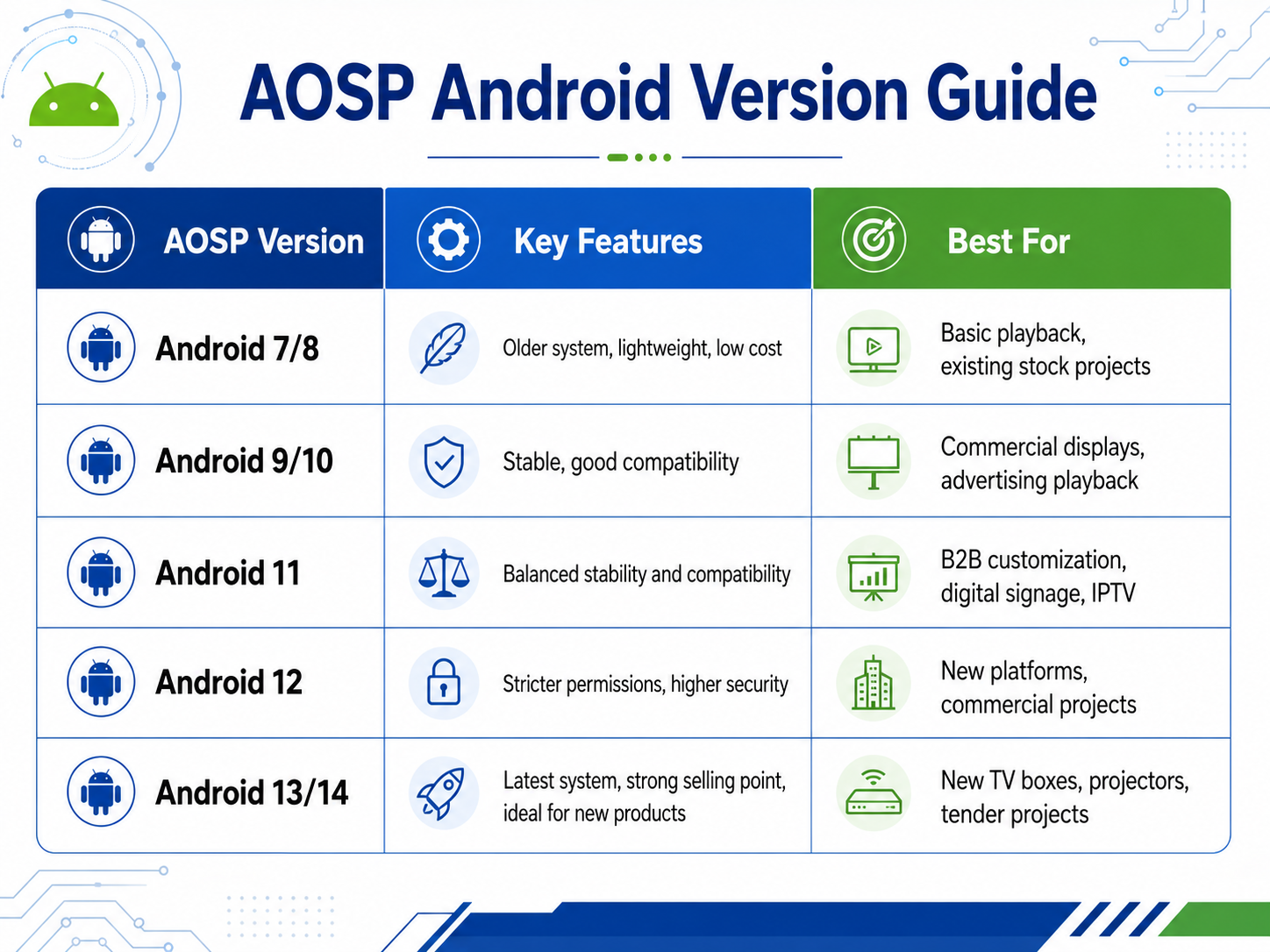
Distinctions Between AOSP Android Versions
AOSP Android is an open-source Android system that does not include official Google certified services. Because it can be customized to suit specific hardware platforms and project requirements, it is widely used in devices such as Android set-top boxes, lecteurs d'affichage numérique, affichages publicitaires, projectors, and commercial display equipment.
Common AOSP Android versions include Android 7, 9, 10, 11, 12, 13, et 14. These versions differ in terms of system stability, app compatibility, security, permission management, and hardware support.
1. Androïde 7 / Androïde 8
These versions belong to earlier iterations of the Android operating system and are currently used primarily for older device models or low-cost projects. Their advantages include a lightweight system footprint and low operational overhead, making them well-suited for hardware with modest specifications.
Cependant, the drawbacks are also significant: the system is outdated—meaning some newer app versions may no longer be supported—and security updates are infrequent, making it unsuitable for long-term use in new projects.
Ideal use cases include: existing inventory/older stock models, low-cost playback devices, simple digital signage/advertising displays, and projects with minimal requirements regarding app version compatibility.
2. Androïde 9 / Androïde 10
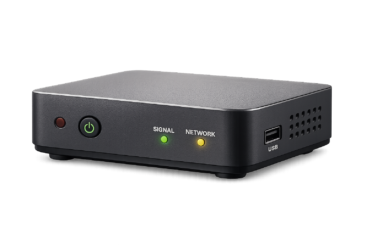
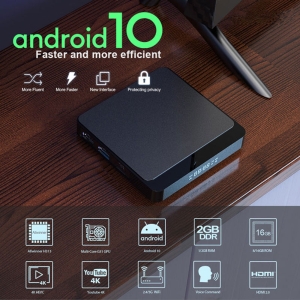
Androïde 9 and Android 10 were once widely used versions for commercial Android devices; they offer good stability and superior app compatibility compared to Android 7 ou 8.
Many digital signage players, Boîtiers Android TV, and commercial display players have utilized these versions. For projects that do not require the latest operating system but prioritize stable performance, Androïde 9 et 10 remain viable options.
Suitable use cases: Affichage dynamique, hotel TVs, educational displays, advertising players, and general commercial display projects.
3. Androïde 11
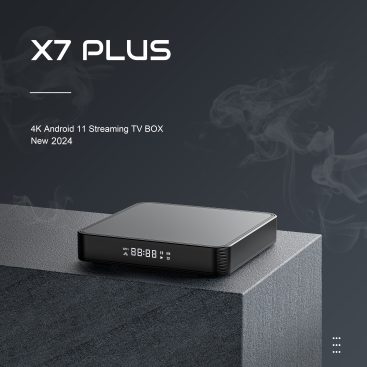
Androïde 11 is currently the version used by many commercial Android boxes and media players. It strikes a good balance between permission management, security, system stability, and app compatibility.
If a client’s application does not have stringent system version requirements, Androïde 11 is generally a reliable choice. It supports features such as APK pre-installation, auto-start on boot, custom launchers, Kiosk mode, and restrictions on system settings.
Suitable use cases: B2B projects, Affichage dynamique, IPTV, in-store displays, corporate information broadcasting, and OEM/ODM customization projects.
4. Androïde 12
Androïde 12 imposes stricter requirements regarding system permissions, security mechanisms, and background process management. While it offers an updated system experience, some legacy apps or features relying on special permissions may require adaptation.
Functions such as device administration, background auto-start, silent installation, and access to system directories may face increased restrictions on Android 12. Donc, if a client requires deep device management capabilities, it is essential to verify beforehand whether the firmware solution supports these features.
Suitable use cases: new platform projects, commercial devices with high security requirements, and client projects requiring a recent system version.
5. Androïde 13 / Androïde 14
Androïde 13 and Android 14 are relatively recent AOSP system versions. They offer advantages in terms of security, permission management, app compatibility standards, system performance, and long-term usability.
Cependant, newer systems impose stricter requirements on chip platforms, drivers, app adaptation, and custom development. Certain traditional customization features may offer less flexibility than in older versions, so feasibility must be verified based on specific chip and firmware capabilities.
If you would like to learn more about the Android system or Android system customization, veuillez nous contacter.